
Is it time to install a new household heating system, but you’re struggling to decide between a boiler vs. a furnace? We’re here to help. The main thing to keep in mind is that boilers and furnaces have the same function; they simply have different methods of carrying it out. Keep reading for more information on how these two heating appliances differ.
What Is a Boiler?
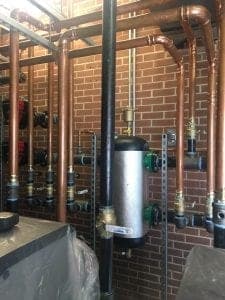
A boiler is a residential and commercial heating appliance that turns hot water into steam to provide heat. A boiler can also be called a radiator system or a hydronic heating system—meaning it uses water for heating purposes. A boiler consists of a circulator pump, a pipe system, baseboards, and radiators.
How Does a Boiler Work?
A boiler stores water in a tank and operates on either natural gas, oil, electricity, or wood. In a nutshell, it converts water (a liquid) into steam (a vapor) to heat homes and commercial buildings. Want to know more about how the heating process works? Check out the step-by-step guide below.
Water feeds into the boiler from the plumbing system
The boiler burns fuel to heat the water
As the water heats up, it turns into steam
A heat pump circulates the steam through a pipe system—which includes baseboards and radiators—to heat a building
Boiler Pros & Cons
Pros
More consistent, even heating
Optimal energy efficiency
Quiet operation
Superior air quality
No ductwork required
Hot water can be reused for other purposes
Cons
Higher upfront cost
Longer installation time
Slower heat production
Risk of water damage and freezing pipes
What Is a Furnace?
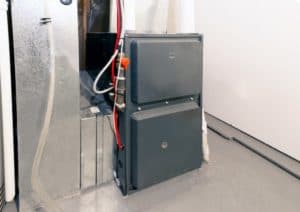
Like a boiler, a furnace is a residential and commercial heating appliance that provides heat for indoor spaces. Its components include a heat exchanger, blower, ductwork, and air vents. Here’s where boilers and furnaces differ: while boilers convert water into steam, furnaces convert fuel—either natural gas, propane gas, oil, or electricity—into heat energy via combustion.
How Does a Furnace Work?
Rather than heating your space with steam that circulates through baseboards and radiators, furnaces heat your space with hot air that circulates through a duct system and air vents. Here’s a step by step process to offer a more detailed picture of how this process works.
Cool air enters the furnace
The air flows over a heat exchanger, which heats the air
The blower pushes the heated air through a duct system
The air circulates through the ductwork and exits from air vents throughout the building
Furnace Pros & Cons
Pros
Lower upfront cost
Easier to install
No risk of components freezing
Quicker heat production
Cons
Poorer air quality due to increased airborne contaminants
Loud operation
Less consistent heating
Lower energy efficiency
Potential gas valve leaks
Can cause draftiness
What Are the Differences Between Boiler Vs Furnace?
When considering the differences between boiler vs furnace, here are the top three factors to keep in mind.
Energy Efficiency
Boilers are more energy-efficient than furnaces. That’s because it takes more energy to heat air than it takes to heat water.
Maintenance
While boilers only require an annual tune-up, furnaces require an annual tune-up and routine air filter replacements. Depending on the quality of the air filter, you’ll need to replace it either monthly or quarterly.
Repair
Boiler repairs typically cost more than furnace repairs.
Call Maitz Home Services for Reliable Boiler & Furnace Repairs
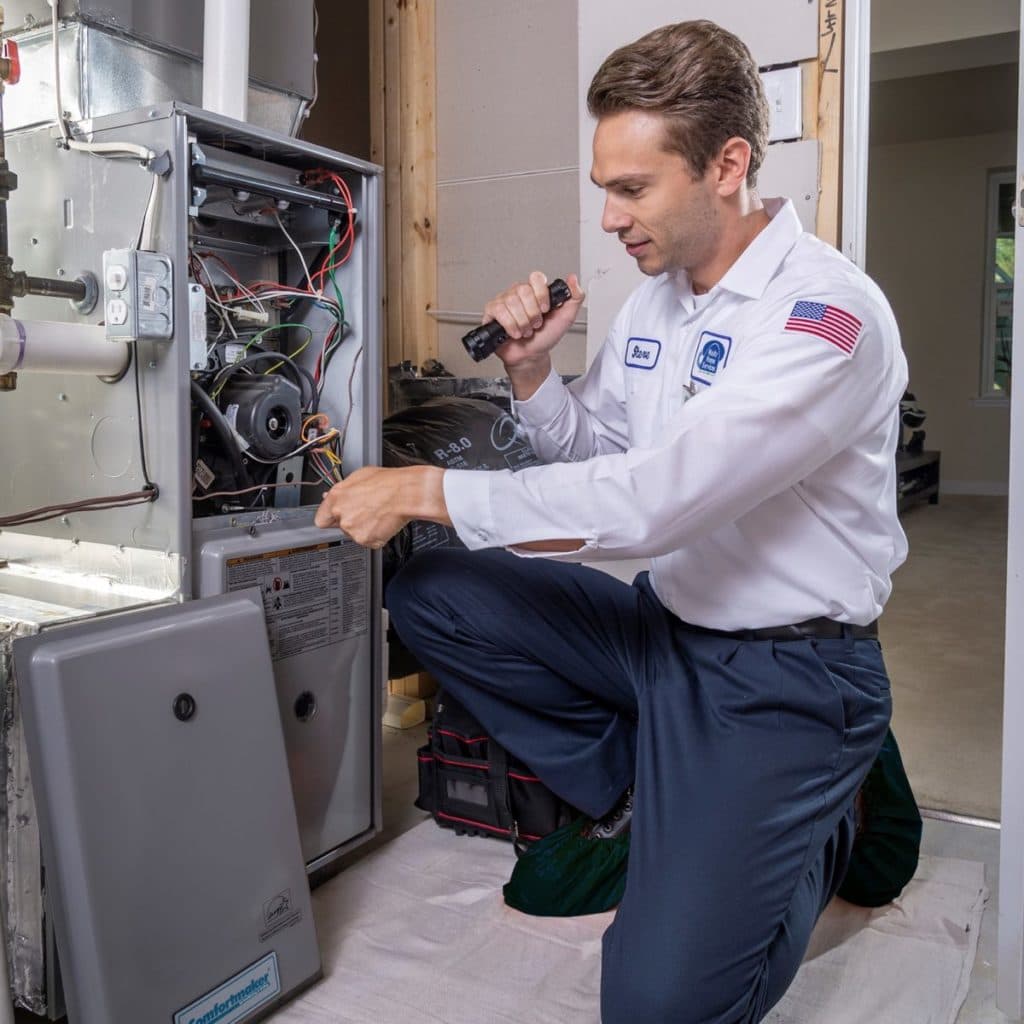
Has your boiler or furnace been causing problems lately? Don’t wait to get your system inspected. Call Maitz Home Services today to restore home heating. Backed by 50+ years of expert HVAC repairs, our team of certified technicians is equipped to address all your heating needs.
Our expert technicians are here for youSchedule Online Today
Related Articles
What do you need help with today?
Heating
No heat, strange smells, rising bills? We repair and replace heating systems to keep your home reliably warm.
Air Conditioning
AC blowing warm air? Uneven cooling in your rooms? We fix cooling issues fast and keep your system running smoothly all summer.
Plumbing
Our highly trained plumbers handle it all, from leaky faucets to full system installations and repipes.
Electrical
The smartest team in town. You need repair, installations, wiring, inspections, lighting — you name it.